
Not Pity, Progress: Adaptive Guitar Straps for Wheelchair Musicians (and Why It Matters)
.jpg/v1/fill/w_320,h_320/file.jpg)
Let's cut through the noise. This isn't about charity marketing or inspirational stories that make people feel good. This is about real musicians with real problems that current guitar strap designs completely ignore. At DC's LEDs, we're not interested in pity, we're building solutions that create genuine access, visibility, and dignity for wheelchair and seated musicians.
The truth upfront: LinkedIn isn't where you'll find wheelchair guitarists at scale. Facebook, Instagram, YouTube, Reddit, and disability-focused organizations absolutely are. And here's what most gear companies miss, you're not "selling a strap," you're solving mobility, comfort, and independence problems that have been overlooked for decades.
The Real Problems Traditional Straps Create
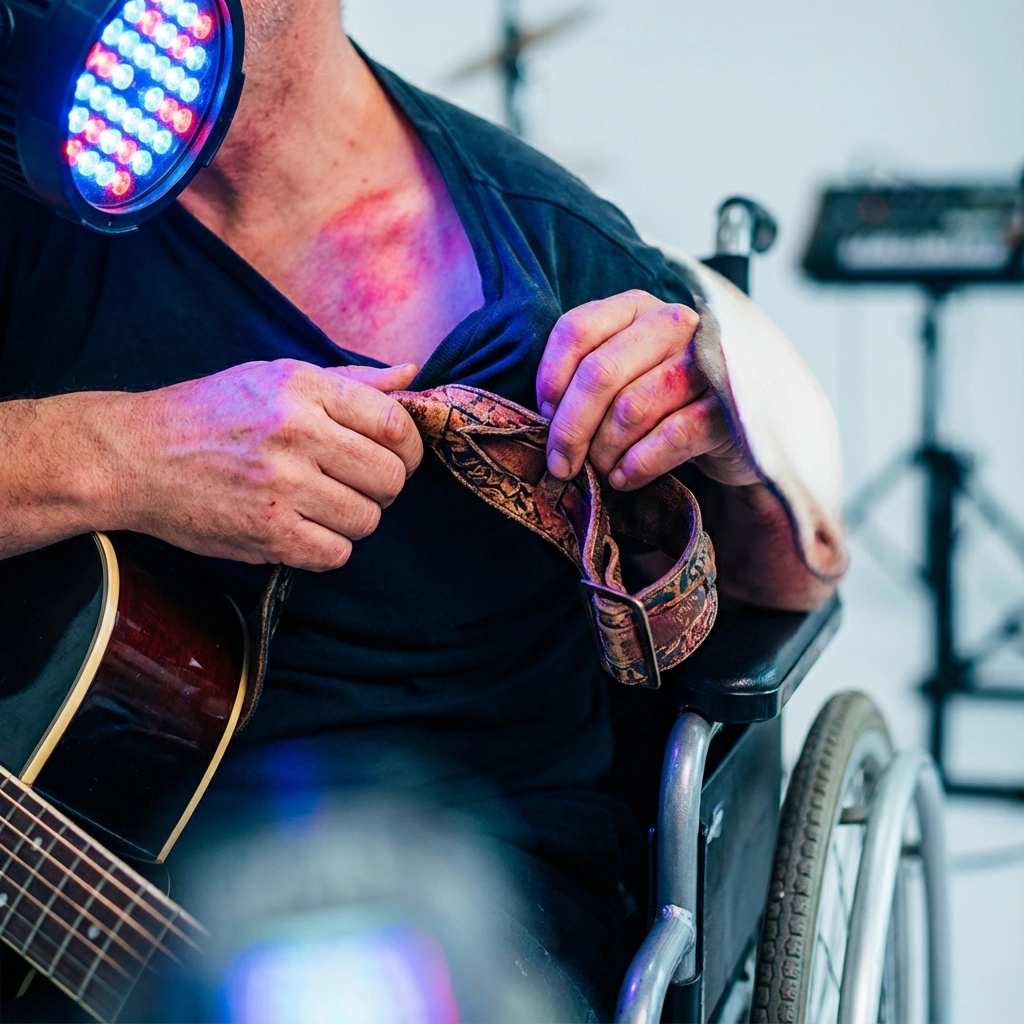
Standard guitar straps weren't designed for seated players. Period. Wheelchair musicians and seated guitarists face specific challenges that standing players never encounter:
Limited shoulder mobility creates painful pressure points when traditional straps dig into already compromised areas. Balance issues become critical when you can't use your legs for stability. Strap slippage while seated means constantly fighting to keep your instrument in position instead of focusing on your music. Pressure pain on neck and shoulders intensifies during longer practice sessions or performances.
These aren't "special needs", they're design failures in current products. When up to 15% of musicians experience some form of mobility limitation, ignoring adaptive design means leaving money and talent on the table.
Where Wheelchair Musicians Actually Gather Online
Facebook: Your Primary Goldmine
Wheelchair musicians skew older and community-driven, making Facebook your most valuable platform. Here's where they're actually talking:
Wheelchair Musicians
Adaptive Musicians
Disabled Musicians Network
Wheelchair Guitarists
Musicians with Disabilities
Adaptive Music Education
Strategy that works: Post as the inventor, not a brand. Here's a copy-paste ready approach:
"I'm a bass player and inventor who designs custom guitar straps. I'm working on straps that work better for seated & wheelchair players, less neck pain, more stability, more freedom. If you play guitar or bass in a wheelchair and want to test one free, I'd love to hear your experience and feedback. No selling. No pitch. Invitation only."
Instagram: Where Representation Wins
Search these hashtags to find your target audience:
DM strategy (short and respectful): "Hey, I'm DC: bass player and inventor. I design guitar straps and I'm working on better options for wheelchair musicians. Would you be open to testing one and telling me what works and what doesn't?"
People respond when you ask them as experts, not charity cases.
YouTube: Hidden Talent Pool
Search terms like "wheelchair guitarist," "seated guitarist disability," and "adaptive guitar playing" reveal creators who are often underserved with small channels but thrilled to be recognized. Offer free straps with no posting obligation and optional testimonials only if they love the product.
Reddit: High Honesty, Low BS
Subreddits worth your time:
r/Guitar
r/Bass
r/Disability
r/AdaptiveTechnology
r/DisabledCreatives
r/Wheelchair
Post angle: "I'm designing better guitar straps for wheelchair musicians: what's broken with current straps?"
Reddit will roast you and help you. Both responses are valuable for real product development.
Offline Sources That Actually Matter
Music Therapy Programs
Contact these directly:
Rehab hospitals
VA hospitals
Adaptive music therapy centers
Community colleges with music therapy programs
They know exactly who these players are and understand the real challenges.
Disability Organizations
Reach out to:
Local Centers for Independent Living (CILs)
United Spinal Association chapters
Disabled Artists collectives
Veterans adaptive sports & music programs
You're offering tools, not asking for favors. Frame it that way.
Designing Straps That Actually Work for Seated Players
Step-by-Step Product Development
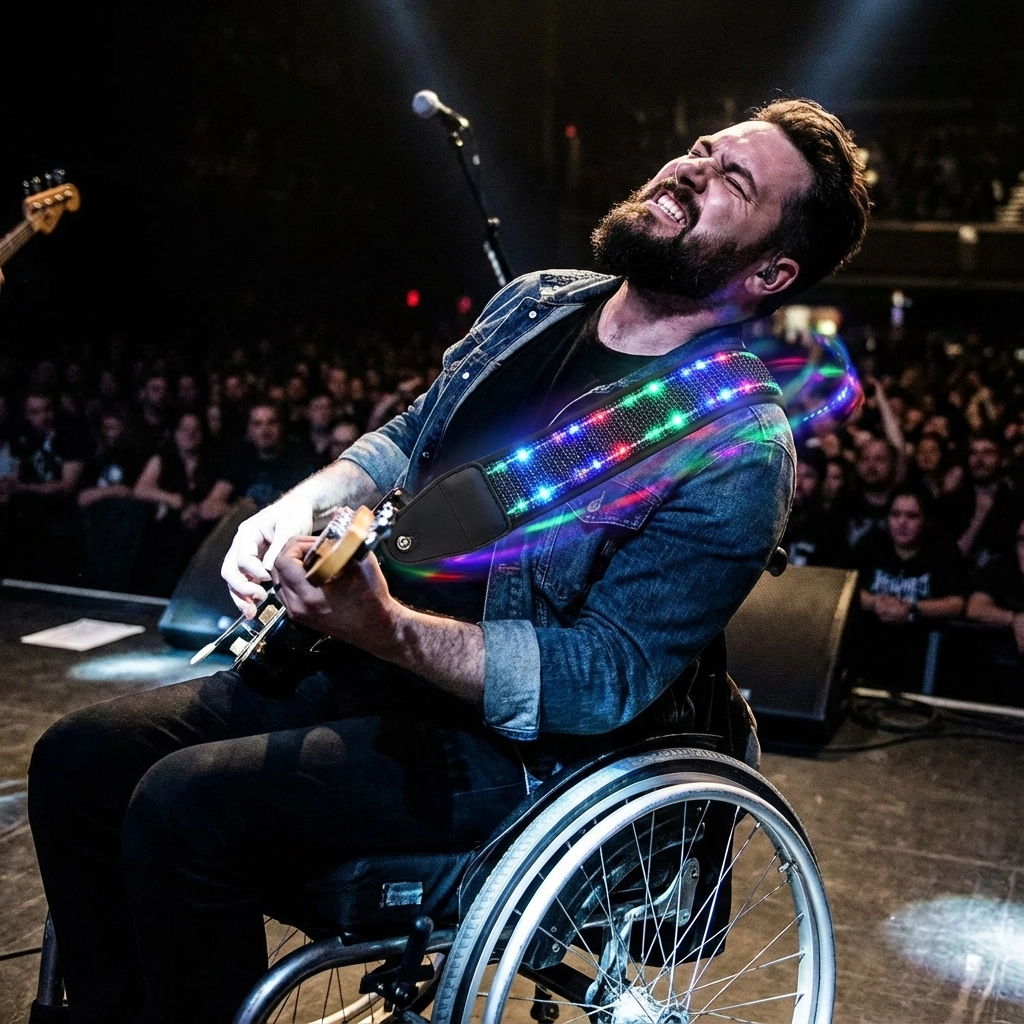
Wider shoulder pad: Distributes weight more effectively across compromised shoulder areas, reducing pressure points that cause pain during extended play.
Anti-slip underside: Textured material that grips clothing and wheelchair backing prevents constant repositioning that breaks musical flow.
Optional dual-anchor system: Secondary attachment point at waist level provides stability without restricting upper body movement.
Adjustable tension control: Allows precise positioning for different seated heights and wheelchair configurations.
The Co-Creation Approach
Send straps free with no strings attached. Include a simple card: "This strap exists because of musicians like you. Tell me what hurts, what slips, and what works."
Ask permission later for photos or quotes. This builds authentic relationships instead of transactional testimonials.
What NOT to Do (This Actually Matters)
❌ Don't use "handicapped guitar players" in public posts: outdated language signals you don't understand the community.
❌ Don't frame this as charity or inspiration porn: wheelchair musicians are artists, not inspiration for able-bodied people.
❌ Don't require testimonials upfront: this creates pressure and kills authentic feedback.
❌ Don't assume one solution fits all: seated players have diverse needs based on their specific situations.
This is co-creation, not charity. The difference matters more than you think.
Why This Strategy Actually Works
Untapped Market Reality
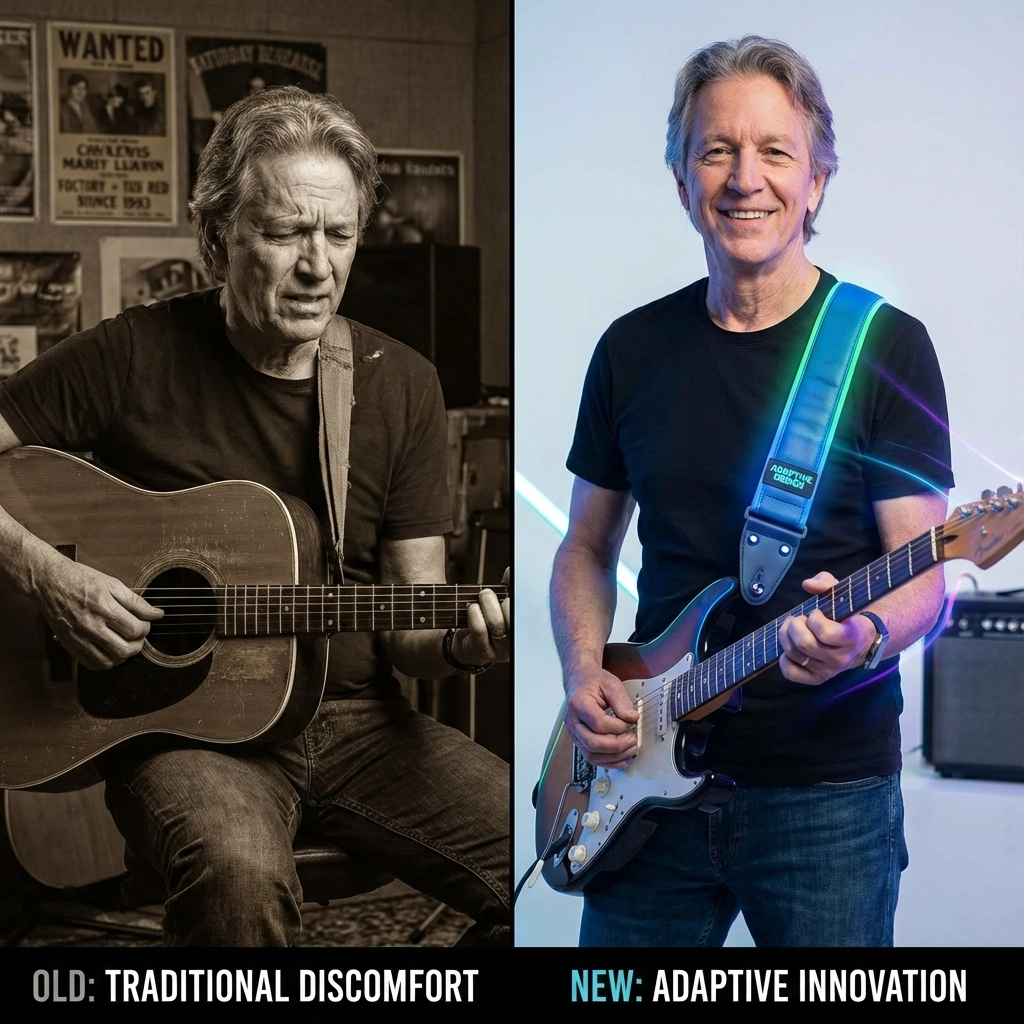
No major company designs guitar gear specifically with wheelchair musicians in mind. They design for them as an afterthought, not with them as experts. Your LED guitar straps already solve weight distribution, stability, and comfort issues: the exact problems wheelchair musicians face daily.
Authentic Brand Building
When you approach wheelchair musicians as collaborators rather than customers, you create:
Genuine brand trust built on respect and inclusion
Earned media from communities that rarely see authentic representation
Real innovation driven by actual user needs, not assumptions
Market Position Advantage
Brands that ignore accessibility get left behind. Companies implementing inclusive design see up to 28% higher revenue growth compared to those that don't. This isn't just good ethics: it's smart business.
Long-Term Community Building
Wheelchair musicians have strong, tight-knit communities. When one person genuinely loves your product, they become ambassadors to networks you can't reach through traditional advertising. Their recommendations carry up to 8 times more weight than standard marketing messages.
The Bottom Line: Progress Over Pity
At DC's LEDs, we're not interested in making people feel good about helping disabled musicians. We're focused on making products that help disabled musicians feel powerful, confident, and visible on stage.
That means designing with wheelchair and seated players from day one, not retrofitting existing products. It means finding them where they actually gather online and offline. It means treating them as creative partners, not inspiration stories.
When you approach adaptive design with dignity instead of pity, something powerful happens: you don't just serve an underserved market: you innovate for everyone. Features that help wheelchair musicians often benefit standing players with back problems, shoulder injuries, or balance issues.
This isn't charity. This is how you build the future of musical accessories: by including everyone in the conversation from the start.
The wheelchair musicians are out there, creating incredible music despite gear that wasn't designed for them. The question is: are you ready to design gear that actually serves them properly?
Ready to explore how DC's LEDs can create truly inclusive musical gear? Visit our website to learn more about our innovative approach to LED guitar straps and safety equipment.

Comments