
From Home to Downtown: Navigating Nighttime Streets with an LED Vest (A Guide for Blind and Low-Vision People)
.jpg/v1/fill/w_320,h_320/file.jpg)
Going out for dinner after dark shouldn't feel like navigating an obstacle course. For blind and low-vision individuals, nighttime travel presents unique challenges, but with the right preparation and safety equipment, you can confidently make your way from home to your favorite downtown restaurant.
While LED safety vests won't help you navigate the streets themselves, they play a crucial role in keeping you safe by ensuring drivers, cyclists, and other pedestrians can see you clearly in low-light conditions. Studies show that pedestrians wearing LED lights are detected by drivers up to 300% farther away than those in regular clothing.
Understanding Your Safety Equipment: What LED Vests Actually Do
Let's be clear about what an LED safety vest can and cannot do for you. An LED vest is primarily a visibility tool, it makes you more noticeable to others, not a navigation aid. Think of it as your nighttime armor against traffic accidents.
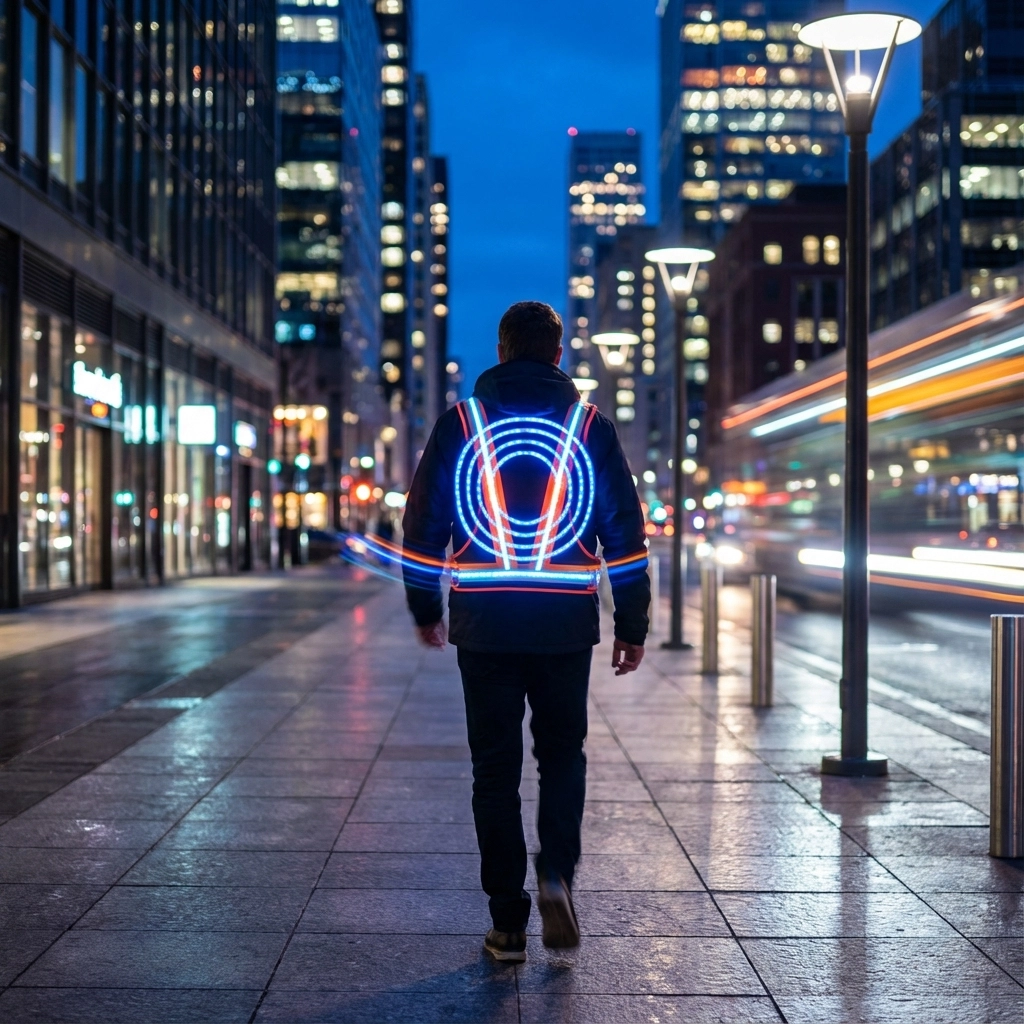
Modern LED safety vests from companies like DC's LEDs feature:
High-intensity LED strips that remain visible from over 1,000 feet away
Multiple flash patterns including steady, slow flash, and rapid flash modes
360-degree visibility ensuring you're seen from all angles
Weather-resistant construction for reliable performance in rain or snow
The vest works by creating what safety experts call "biomotion", the distinctive pattern of moving lights that immediately signals to drivers that they're seeing a pedestrian, not a stationary object.
Pre-Trip Planning: Your Foundation for Safe Travel
Before stepping out your front door, invest time in thorough route planning. Successful nighttime navigation starts at home, not on the street.
Scout Your Route During Daylight Hours Walk your intended path during the day when visibility isn't an issue. Note:
Sidewalk conditions and potential hazards
Construction zones or temporary obstacles
Traffic light timing and crossing patterns
Landmarks you can identify by sound or touch
Well-lit areas versus darker sections
Choose Well-Traveled Routes Stick to streets with consistent foot traffic and good lighting. While it might be slightly longer, a route along busy sidewalks offers more opportunities for assistance if needed and ensures drivers are already alert for pedestrians.
Inform Someone of Your Plans Share your destination, planned route, and expected arrival time with a trusted contact. This creates a safety net without compromising your independence.
Navigation Techniques for Low-Light Conditions
Nighttime travel requires adapting your usual mobility techniques. Even if you're comfortable navigating during the day, darkness changes how you'll interact with your environment.
Trust Your Training, But Stay Extra Alert Your cane technique, guide dog commands, or familiar navigation apps remain your primary tools. However, be prepared for:
Unexpected obstacles that weren't there during daylight
Changed traffic patterns as businesses close
Different ambient noise levels affecting audio cues
Use Technology as Your Co-Pilot Smartphone apps designed for blind and low-vision users become even more valuable at night:
GPS apps with detailed voice directions help you stay on course
Obstacle detection apps can supplement your physical navigation tools
Light detection apps help identify well-lit areas for safer crossing
Identify Safe Stopping Points Plan rest stops along your route where you can reorient yourself if needed. Coffee shops, hotel lobbies, or other businesses with good lighting and helpful staff can serve as waypoints on longer journeys.
Making Yourself Visible: Beyond the LED Vest
While your LED vest is your primary visibility tool, creating a comprehensive visibility strategy enhances your safety even further.
Layer Your Lighting
LED vest as your main visibility source
Reflective tape on your mobility cane or guide dog harness
Small flashlight for close-up tasks like reading addresses
Reflective clothing elements such as reflective shoes or accessories
Strategic TimingPeak visibility occurs during the "golden window", the 30 minutes just after sunset when there's still some ambient light but your LEDs are clearly visible. If possible, time your departure to take advantage of this period.
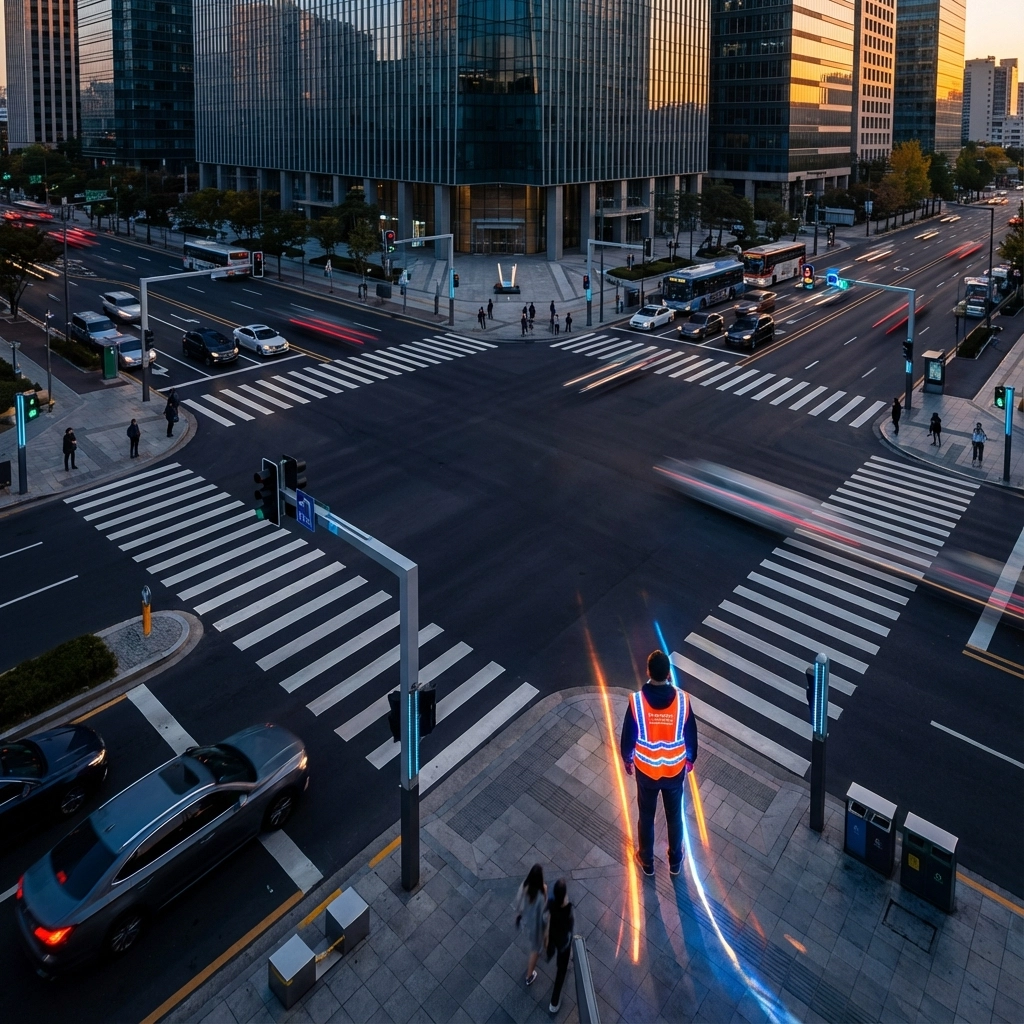
Position Yourself Strategically at Crossings Stand where your LED vest is most visible to turning traffic. Position yourself slightly back from the curb so drivers have maximum time to see you before making their turn.
Technology Tools That Enhance Nighttime Safety
Modern technology offers several tools specifically designed to help blind and low-vision individuals navigate safely after dark.
Navigation Apps with Detailed Audio Apps like BlindSquare or Soundscape provide rich audio descriptions of your surroundings, including:
Real-time information about nearby businesses and landmarks
Intersection announcements with traffic light status where available
Hazard alerts for construction or temporary obstacles
Emergency Features Most smartphones now include emergency features that can be activated quickly:
Emergency SOS that contacts authorities with your location
Medical ID information accessible from your lock screen
Emergency contacts that can be reached with a simple button sequence
Transportation Apps Rideshare apps with accessibility features ensure you have backup transportation options:
Detailed pickup instructions you can share with drivers
Driver communication tools for any special instructions
Real-time tracking so contacts know your status
Building Confidence for Regular Outings
The goal isn't just one successful trip, it's building the confidence and skills for regular nighttime activities. Studies indicate that people who practice nighttime navigation in familiar areas show 85% more confidence when traveling to new destinations.
Start Small and Build Up Begin with short, familiar routes before attempting longer journeys:
Week 1: Walk to the end of your block and back
Week 2: Navigate to a nearby convenience store
Week 3: Try a route with one major intersection
Week 4: Attempt your full restaurant journey
Practice with Different Conditions Don't limit yourself to clear, calm evenings. Practice in:
Light rain (while wearing appropriate gear)
Busier traffic periods like Friday evenings
Different seasons when daylight hours change
Develop Backup Plans Always have alternative options:
Alternative routes in case of unexpected obstacles
Transportation backup like rideshare apps
Emergency contacts familiar with your typical routes
The Social Aspect: Dining Destination Tips
Your LED vest gets you safely to the restaurant, but don't forget about the venue itself. Call ahead to discuss accessibility features and optimal arrival times when staff can provide the most assistance.
Restaurant Communication When making reservations, mention:
Your preferred seating location (well-lit areas, away from high-traffic zones)
Any specific assistance you might need
Your estimated arrival time so staff can watch for you
Arrival Strategy Position yourself in well-lit areas outside the restaurant where staff can easily spot your LED vest. Many restaurants are happy to have someone escort you from the sidewalk to your table, especially when you've communicated your needs in advance.
Community Poll
We'd love to hear from our community about LED vest usage and recommendations:
Would you recommend LED vests to others in your community?
Yes - They significantly improve safety and confidence
Maybe - Useful in certain situations but not essential
No - Not helpful for my specific needs
Your feedback helps us understand how our safety equipment serves the blind and low-vision community and guides future product development.
Making Night Dining a Regular Joy
With proper preparation, quality safety equipment like LED vests from DC's LEDs, and practiced navigation techniques, nighttime restaurant visits can become as routine and enjoyable as daytime outings.
The key is viewing your LED vest not as a crutch, but as professional safety equipment: the same way construction workers, airport ground crews, and emergency responders use high-visibility gear to stay safe in challenging conditions. You're simply applying professional safety standards to your personal mobility.
Remember that independence doesn't mean doing everything alone: it means having the tools, techniques, and confidence to make informed decisions about when and how to travel safely. Your LED vest is one crucial tool in a comprehensive approach to nighttime mobility that can help you maintain an active social life regardless of the hour.
Start with short practice runs, build your confidence gradually, and soon enough, you'll be making dinner reservations without a second thought about the time of day. The city's restaurants are waiting for you, and with the right preparation, you'll arrive safely and in style.

Comments